Bathroom Installation Cost: Refit Prices
What a new bathroom costs in the UK: full refit, shower room and en-suite prices, labour vs supply, tiling, electrics and how long the job takes.
Trade Pilot
Author
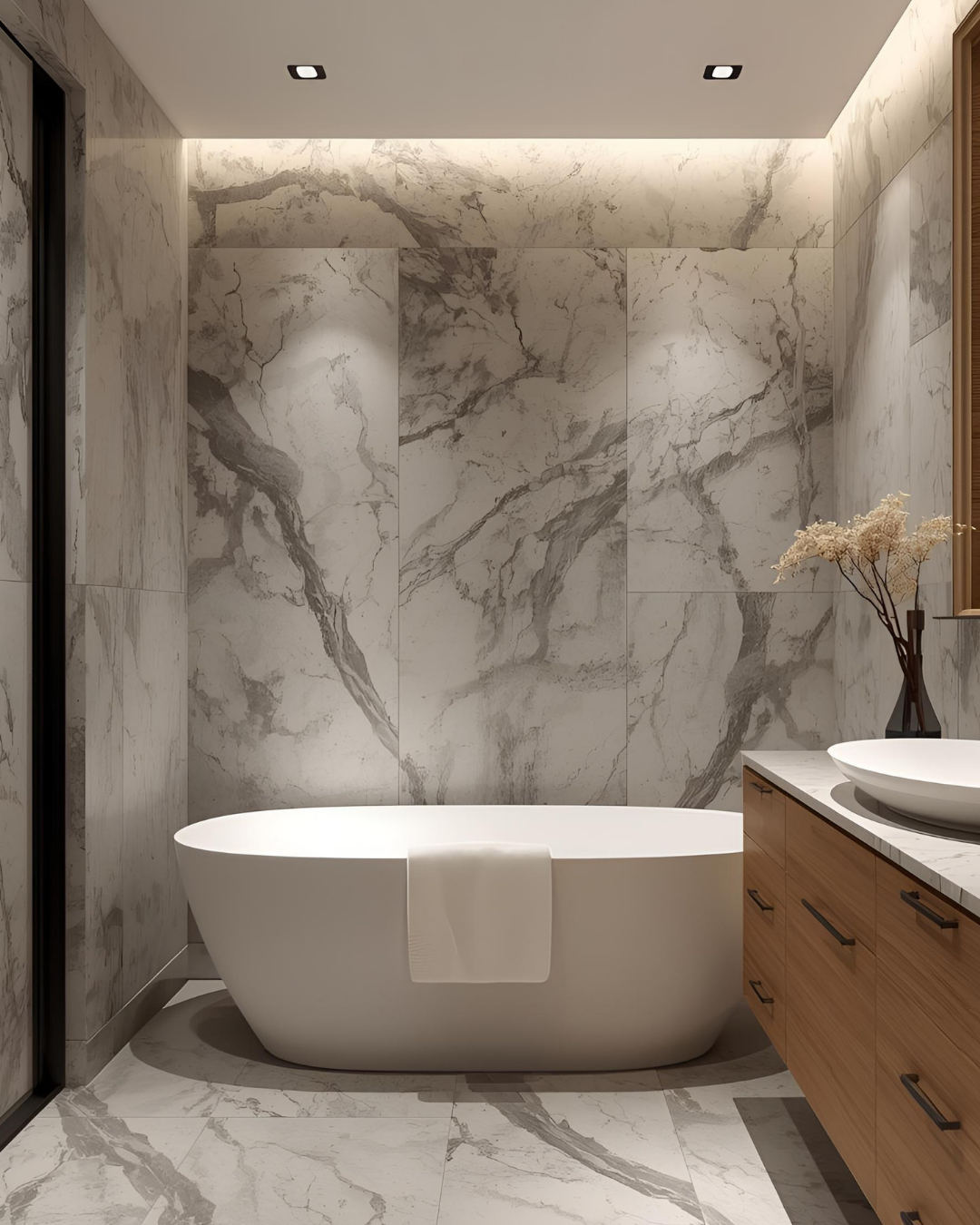
A full bathroom refit in the UK typically costs around £6,000 to £15,000 supplied and fitted, with most mid-range family bathrooms landing somewhere between £8,000 and £12,000. A smaller shower room or a straight swap of an existing en-suite often comes in lower, while high-end fittings, moving the layout or building a brand new en-suite can push the price well past £15,000.
The spread is wide because “a new bathroom” can mean anything from swapping a tired suite like for like to stripping the room back to bare walls and starting again. This guide breaks down where the money goes, what pushes the price up or down, and how to brief fitters so the quotes you get back are easy to compare.
Typical bathroom installation costs
These are typical UK ranges for a standard-sized room, including supply and fit unless stated. Prices vary by region, the condition of the room and the products you choose, and homes in the South East, including Reading, often sit in the middle or upper part of each range.
Job
Typical UK range
Notes
Budget bathroom refit
£5,000 – £8,000
Like-for-like layout, entry-level suite, partial tiling
Mid-range family bathroom
£8,000 – £12,000
Full strip-out, new suite, full tiling, new lighting and extractor
High-end bathroom
£15,000 – £25,000+
Designer fittings, wet room areas, underfloor heating, layout changes
Shower room refit
£4,500 – £9,000
Shower enclosure or walk-in, basin and WC, no bath
En-suite refit (existing)
£5,000 – £10,000
Small rooms still need the same trades, so cost per m² is higher
New en-suite (no existing room)
£8,000 – £18,000+
New stud walls, waste routes, ventilation and electrics
Labour only, full refit
£3,000 – £6,500
You supply the suite, tiles and fittings
Bathroom fitter day rate
£200 – £350 per day
Specialist trades such as electricians and tilers may charge separately
Want a figure for your own bathroom? A fitter who has seen the room and your chosen products can give you a fixed quote, which is far more useful than any average.
Labour vs supply: where the money goes
As a rough guide, labour is often around half of the total on a standard refit, with the rest split between the suite, tiles, brassware and materials such as boards, adhesive and pipework. That balance shifts depending on what you choose: a designer basin and thermostatic shower can cost more than the labour to fit them, while a budget suite leaves labour as the biggest share.
You have two main options:
Supply and fit. The fitter or bathroom company sources everything. It is simpler, and if a product turns up damaged or the wrong size, it is their problem to sort.
Labour only. You buy the suite and tiles yourself, often from a showroom or online, and pay a fitter to install them. You can save on trade mark-ups, but you take responsibility for ordering the right quantities and making sure everything arrives on time.
If you go labour only, ask your fitter to check your product list before you order. Valves, waste sizes and wall-hung frames all need to suit the room and the existing plumbing.
What a full bathroom refit includes
A typical full refit usually involves several trades, either from one company or co-ordinated by a lead plumber or bathroom fitter:
Strip-out and disposal of the old suite, tiles and sometimes plaster. Skip hire or waste removal is often an extra line on the quote.
First fix plumbing to move or replace supply pipes and wastes.
First fix electrics for lighting, an extractor fan, shaver points or underfloor heating.
Boarding, plastering and waterproofing of walls and floors.
Tiling of walls and floors.
Second fix to install the bath, shower, basin, WC, taps and electrics.
Sealing, decorating and snagging at the end.
Tiling costs
Tiling is one of the biggest variables in a bathroom quote. Full-height tiling around the whole room costs much more than half-height tiling or tiling just the wet areas.
Tiling job
Typical UK range
Notes
Wall tiling (labour)
£40 – £80 per m²
Large format and patterned tiles take longer
Floor tiling (labour)
£40 – £80 per m²
More if the floor needs levelling or new boards
Tiles (supply)
£15 – £100+ per m²
Porcelain and natural stone at the upper end
Removing old tiles
£10 – £25 per m²
Can damage plaster underneath, which then needs repair
Small, intricate rooms take longer per square metre than large open walls, so en-suites and cloakrooms often work out more expensive per m² than you might expect.
Shower installation costs
If you only need a new shower rather than a whole new bathroom, the price depends mainly on the type of shower and whether new pipework or a new electrical circuit is needed.
Shower job
Typical UK range
Notes
Replace electric shower (like for like)
£300 – £600
Including a mid-range unit, using the existing circuit
New electric shower with new circuit
£600 – £1,200
Needs a registered electrician
Mixer shower over bath
£400 – £1,000
Depends on concealed or exposed valve
New shower enclosure and tray
£1,000 – £2,500
Including tray, enclosure and tiling
Walk-in shower or wet room area
£3,000 – £8,000+
Tanking and floor drainage add cost
Reading is a hard water area, so limescale on shower heads, glass and valves is a common complaint. A good fitter will suggest fittings that are easy to descale, and some homeowners add a water softener at the same time.
Bathroom electrics and zones
Water and electricity are a dangerous mix, so bathroom electrics are tightly controlled. Wiring regulations divide the room into zones around the bath and shower:
Zone 0 is inside the bath or shower tray itself.
Zone 1 is the space directly above the bath or shower tray, up to a set height.
Zone 2 extends a short distance beyond zone 1.
Each zone has rules about which fittings can go there and how water-resistant they must be (shown by an IP rating). Light fittings over a shower, for example, need a higher IP rating than those elsewhere in the room.
Most new electrical work in a bathroom is notifiable under Part P of the Building Regulations. The simplest way to stay on the right side of the rules is to use an electrician registered with a competent person scheme, who can self-certify the work and give you a certificate. Do not attempt bathroom wiring yourself.
Ventilation matters too. Building Regulations set minimum extraction rates for bathrooms, so if your fan is being replaced or added, ask your fitter to size it properly. A good extractor is one of the cheapest ways to prevent mould and peeling paint later.
Waterproofing: the part you never see
Leaks behind tiles are one of the most expensive bathroom problems to fix, because they often mean taking the room apart again. In showers and wet areas, a good fitter will:
use moisture-resistant boards rather than standard plasterboard;
apply a tanking system (a waterproof membrane or liquid coating) behind tiles in the shower area;
fit the tray or former with the correct fall towards the waste;
seal all joints properly at the end.
Ask each fitter how they waterproof the shower area. A vague answer is a warning sign, especially for walk-in showers and wet rooms.
What pushes the price up or down
Moving things around. Keeping the bath, WC and basin where they are is cheapest. Moving the toilet usually means re-routing the soil pipe, which can be awkward and expensive.
The state of the room. Rotten floorboards, old lead or iron pipework and crumbling plaster all add time.
Product choice. Wall-hung toilets and basins, concealed cisterns and thermostatic valves look great but cost more to buy and fit.
Underfloor heating. Electric mats are cheaper to install than water-based systems but cost more to run.
Access and parking. Upstairs bathrooms in terraced streets with no parking can add labour time.
VAT. Check whether quotes include VAT, as not all small firms are VAT registered.
How long does a bathroom installation take?
As a rough guide:
Shower or bath swap: one to two days.
Like-for-like suite replacement: around three to five days.
Full family bathroom refit: usually one to three weeks, depending on tiling and drying times.
New en-suite from scratch: often two to four weeks, longer if structural work or new drainage is needed.
Plan for being without a working bathroom for at least part of the job. If it is your only bathroom, ask the fitter whether they can keep the toilet connected overnight for as much of the project as possible.
Getting quotes
Three detailed quotes give you a fair picture of the market and make it easier to spot one that is too low to be realistic. To make them comparable:
Give everyone the same brief. Room size, what you want removed, the layout you want and whether you are supplying products.
Ask for an itemised quote. Labour, materials, waste removal, electrics and tiling should all be listed separately.
Check who does each part. Will the fitter do the electrics, or bring in a registered electrician? Who handles the certificate?
Ask about waterproofing and guarantees. How do they tank the shower area, and how long do they guarantee their work?
Agree a timeline and payment stages. Avoid paying most of the price up front, and link payments to completed stages.
If you live locally, you can also compare plumbers in Reading, many of whom fit bathrooms or work alongside bathroom fitters. Our Reading area guide covers the other trades that serve the town.
Get up to 3 quotes from vetted local bathroom fitters. Tell us about the job and your postcode, and we’ll match you with trades whose reviews come from real, invoiced jobs.
FAQs
How much does a new bathroom cost?
A new bathroom typically costs around £6,000 to £15,000 supplied and fitted in the UK, with most mid-range family bathrooms between £8,000 and £12,000. Budget like-for-like refits can come in lower, and high-end designs can cost considerably more.
How much does a bathroom fitter cost per day?
Bathroom fitters typically charge around £200 to £350 per day, with South East rates often towards the top of that range. Tilers and electricians may charge their own rates on top.
What is the cost of shower installation?
Replacing an electric shower like for like often costs around £300 to £600 including a mid-range unit. A new shower enclosure with tray and tiling is more like £1,000 to £2,500, and a walk-in shower or wet room area can cost £3,000 or more.
Is it cheaper to buy my own bathroom suite?
It can be, as you avoid trade mark-ups, but you take on the risk of ordering the wrong items or damaged deliveries. Many fitters charge a little more for labour-only jobs, so compare the total cost both ways.
Do I need building regulations approval for a new bathroom?
A like-for-like replacement often doesn’t need approval, but new electrical circuits, new drainage, ventilation changes and structural work can all fall under Building Regulations. Using registered trades who can self-certify their work is the simplest route. Check with your fitter or local building control if you are unsure.
How long does it take to fit a new bathroom?
A full family bathroom refit usually takes one to three weeks. A simple suite swap might take three to five days, while a new en-suite from scratch can take two to four weeks.
Comments
We'd love to hear your thoughts on this article.