Builders in Reading: Costs, Planning, Vetting
Planning an extension in Reading? Typical South East build costs, Reading planning and conservation areas, building control and how to vet a builder.
Trade Pilot
Author
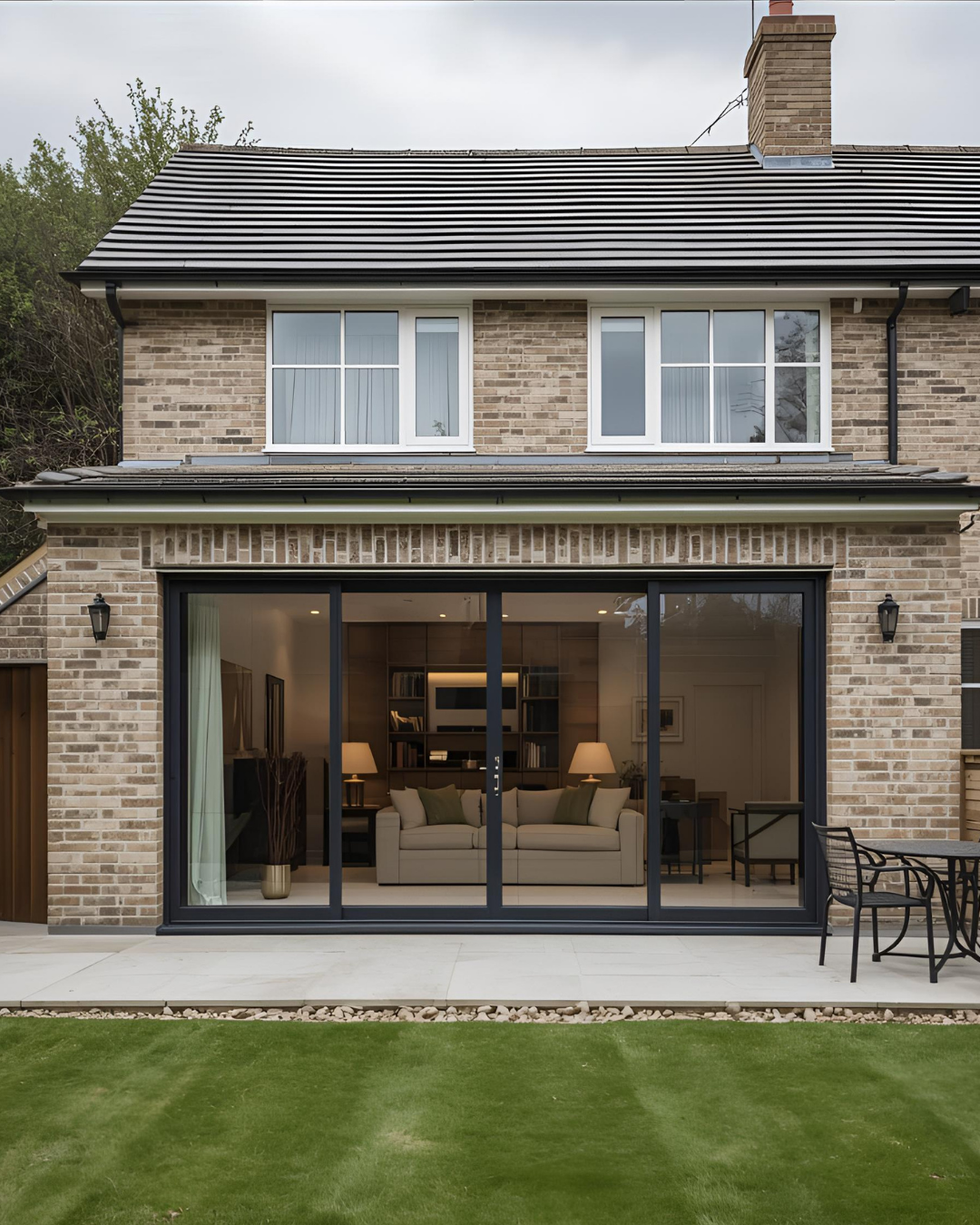
Most extension builds in Reading cost somewhere around £1,800 to £3,000 per square metre before VAT, fees and fit-out, which puts a typical single storey rear extension at roughly £45,000 to £80,000 all in. The right builder will be properly insured, happy to work to drawings and a written contract, and will never ask for most of the money up front.
Reading has a bit of everything when it comes to housing: Victorian terraces around Katesgrove, Newtown and east Reading, 1930s semis in Caversham, Emmer Green and Tilehurst, and newer estates on the edges of town. That variety means the right builder, the right planning route and the right budget depend a lot on the house you live in. This guide walks you through each step.
What building work costs in Reading
Reading sits in the South East, where labour and materials generally cost more than the UK average. Expect local quotes to land in the middle or upper part of the national ranges below. These are typical UK ranges and every job is different, so use them for budgeting rather than as a price you should be quoted.
Job
Typical UK range
Notes
Single storey rear extension (build only)
£1,800 – £3,000 per m²
Higher end for large glazing, rooflights and complex steelwork
Double storey extension (build only)
£1,600 – £2,500 per m²
Per m² across both floors, as foundations and roof are shared
Loft conversion
£40,000 – £75,000+
Velux at the lower end, dormer and hip-to-gable higher
Garage conversion
£15,000 – £30,000
Depends on new foundations, insulation and windows
Builder day rate
£200 – £350 per day
Labourers usually charge less; South East rates sit higher
On top of the build, budget for:
VAT at the standard rate on most extension work, if your builder is VAT registered.
Professional fees for design, structural engineering and building control, which often add 10 to 15 percent.
Fit-out, such as a new kitchen, flooring and decoration.
A contingency of 10 to 15 percent for things nobody can see until the ground is dug or the walls are opened up.
Want a figure for your own house? Getting a few detailed quotes from local builders who have seen your home and drawings is the most reliable way to set a budget.
What pushes Reading prices up or down
Ground conditions vary across the town, with clay in some areas and gravels or chalk in others. Clay soils near large trees can mean deeper foundations, which adds cost. Access matters too: a terraced house with no side passage means materials and waste go through the house, which takes longer. Party walls, steel beams for knocking through, and moving drains or soil stacks are other common extras.
Planning permission in Reading
Many single storey rear extensions can be built under permitted development, without a full planning application. As a broad guide, permitted development currently allows a single storey rear extension of up to 3 metres on an attached house and 4 metres on a detached house, with larger extensions possible through the prior approval process. There are limits on height, materials and how much of your garden the extension covers. The Planning Portal sets out the current rules and is worth reading before you speak to a designer.
You will usually need full householder planning permission for:
Two storey extensions close to a boundary, or most side extensions.
Anything that goes beyond permitted development limits.
Flats and maisonettes, which do not have the same permitted development rights.
Homes in a conservation area, where some rights are removed.
Conservation areas in Reading
Reading Borough Council has around 15 conservation areas, including Alexandra Road, Christchurch, Eldon Square, Kendrick Road, Market Place and London Street, Redlands, Russell Street and Castle Hill, St Peter’s in Caversham and The Mount. Inside these areas external work faces a higher design bar, and some work that would be permitted development elsewhere needs planning permission. The council publishes guidance for householders in conservation areas, and it is worth checking the council’s online map to see whether your road is included before you start drawings.
Check which council you are in
“Reading” on your address does not always mean Reading Borough Council. Earley, Lower Earley and Woodley fall under Wokingham Borough Council, and parts of Tilehurst, Purley on Thames and Calcot fall under West Berkshire Council. Planning rules and application portals differ, so check your council tax bill to confirm where your application goes.
Building control: the step people forget
Planning permission and building regulations are two separate things. Even if your extension does not need planning permission, it almost always needs building regulations approval, which covers structure, fire safety, insulation, drainage and ventilation.
You can use the local authority building control service or a registered building control approver. Either way, an inspector visits at key stages, such as foundations, drainage and completion, and issues a completion certificate at the end. Keep that certificate safe, because a buyer’s solicitor will ask for it when you sell.
A good builder will expect building control involvement and should be comfortable working with inspectors. Be wary of anyone who suggests skipping it.
Party walls
If your work involves a shared wall, or digging foundations close to a neighbour’s property, the Party Wall etc. Act 1996 is likely to apply. You need to serve notice on your neighbours before work starts, and if they do not agree, a party wall surveyor is appointed. This is common in Reading’s terraced streets, so build the time and possible surveyor fees into your plans.
How to choose a builder in Reading
The cheapest quote is rarely the best value on a big project. Here is what to check before you sign anything with a builder.
Track record. Ask to see similar extensions they have finished nearby, and if possible speak to past clients or visit a completed job.
Insurance. Ask for proof of public liability insurance and, if they have staff, employer’s liability insurance.
Reviews from real jobs. Look for reviews tied to completed, invoiced work rather than anonymous star ratings.
A detailed written quote. It should break down the work, materials, what is excluded, and how variations will be priced.
A written contract. It should include start and finish dates, the payment schedule, who deals with building control, and how disputes are handled.
Trade association or scheme membership. Membership of a recognised trade body or a scheme such as TrustMark can add reassurance, but still check the points above.
Communication. Do they reply promptly and answer questions clearly? That is usually how the project will run.
Staged payments and deposits
On an extension, you should pay in stages linked to completed work, not by calendar dates. A typical schedule might cover foundations, walls up to roof level, roof on and watertight, first fix, and completion.
Keep any deposit small. A modest deposit for materials ordered specifically for your job can be reasonable, but be cautious of anyone asking for a large share of the price before work starts.
Only pay for each stage once it is done and, where relevant, signed off by building control.
Consider agreeing a small retention, held back until any snagging is fixed.
Pay by bank transfer or card so there is a record, and get an invoice for every payment.
If you sign a contract at home rather than at the builder’s premises, you normally have a 14-day cooling-off period under consumer law. If you want work to start within that period, you will usually be asked to confirm this in writing.
Building across Reading: local points to know
Different parts of Reading tend to bring different projects:
Caversham and Emmer Green. Larger semis and detached homes, often with room for rear or side extensions. Some streets have steep gardens, which can affect foundations and access.
Tilehurst and Southcote. Many 1930s and post-war semis suited to single storey rear and wrap-around extensions. Check whether you are in Reading or West Berkshire.
East Reading, Newtown and Katesgrove. Victorian terraces where side return extensions and loft conversions are popular, and party wall notices are almost always needed.
Earley and Woodley. Mostly post-war and later homes under Wokingham Borough Council, with plenty of garage conversions and rear extensions.
For more on living in the area and the trades that cover it, our Reading area guide is a good place to start.
Getting quotes
Three detailed quotes give you a fair picture of the price and help you spot anything that looks too cheap or too expensive. To get quotes you can compare:
Share the same information with everyone. Send each builder the drawings, structural calculations and a written list of what you want included, such as who supplies the kitchen and whether decorating is in the price.
Ask about the programme. When can they start, how long will it take, and will they be on site every day?
Ask how variations are priced. Changes are common, so agree in advance how extra work will be quoted and approved.
Check what is excluded. Skips, scaffolding, building control fees and making good are common gaps between quotes.
Ask who does the work. Will their own team carry out the build, or will parts be subcontracted?
Get up to 3 quotes from vetted local builders. Tell us about the job and your postcode, and we’ll match you with trades whose reviews come from real, invoiced jobs.
FAQs
How do I find a good builder in Reading?
Ask for examples of similar local work, check their insurance, read reviews linked to completed jobs and get at least three detailed written quotes. A builder who is happy to work to a written contract with staged payments is usually a good sign.
How much do extension builders in Reading charge?
Build costs typically run from around £1,800 to £3,000 per square metre before VAT, fees and fit-out, with Reading usually towards the middle or upper part of that range. A single storey rear extension often comes to roughly £45,000 to £80,000 once everything is included.
Do local builders in Reading handle planning applications?
Some design and build firms do, but many builders work from drawings prepared by an architect or designer. Agree in writing who is responsible for planning, building control and party wall notices before work starts.
Do I need planning permission for an extension in Reading?
Not always. Many single storey rear extensions fall under permitted development, but homes in conservation areas, flats and larger or two storey extensions usually need planning permission. Check the Planning Portal and your council’s guidance first.
How long does it take to build an extension?
A single storey extension often takes around three to four months on site once work starts, with design, planning and building control approval adding time beforehand. Larger or more complex projects take longer.
How much deposit should I pay a builder?
Keep any deposit small and link payments to completed stages of work. Be cautious of a builder asking for a large share of the price before starting.
Comments
We'd love to hear your thoughts on this article.