Electric Vans for Trades: Worth It in 2026?
Range, payload, charging and running costs: an honest look at whether an electric van makes sense for a UK trade business in 2026.
Trade Pilot
Author
Electric Vans for Trades: Worth It in 2026?
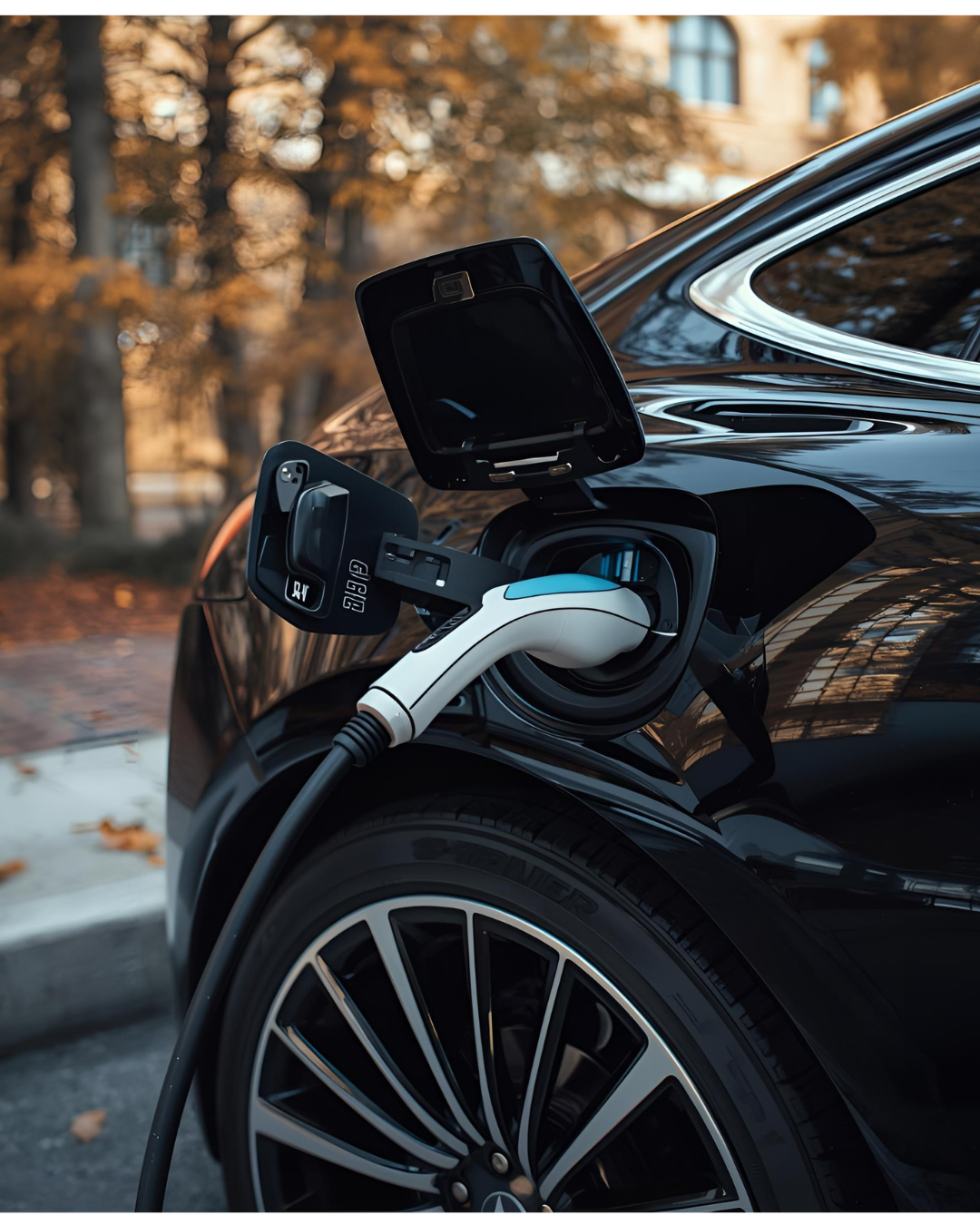
An electric van is worth it for most urban and suburban trades doing predictable local mileage, and still a bad fit for long-distance, heavy-payload work. The technology is no longer the problem. Where you park at night, how far you drive in a day and what you carry are what decide it.
The short version by trade
Electric works well if you run a compact or medium van, cover a defined patch, do 60 to 100 miles on a normal day, and can charge at home or at a yard overnight. That describes a lot of domestic electricians, plumbers, heating engineers, locksmiths, decorators and appliance engineers.
Electric works badly if you tow, run heavily loaded large panel vans, do unpredictable long-distance days, or park on a street with no charger and no realistic prospect of one. That describes plenty of builders, groundworkers, roofers and anyone whose week involves 250-mile days to sites.
Most trades sit somewhere in between, which is where the honest answer is: run your own numbers rather than anyone else’s.
Range: what actually matters
Manufacturer range figures are measured under standard test conditions on an unladen van. Real-world range for a working trade vehicle is lower, and the gap widens in three situations: cold weather, motorway speeds, and a full load. Winter running with the heater on is the biggest single hit, and it lands exactly when your working days are shortest and your diary is fullest.
The practical test is not “does it do the advertised range”. It is “does it comfortably do my worst normal day in February, fully loaded, with the heating on, and still have a margin”. If the honest answer needs a mid-day charge stop that you cannot schedule around, it is not the van for you yet.
Modern medium electric vans have moved on considerably from the first generation, and several now cover a full urban working day with margin to spare. Large panel vans have improved too, but the compromise between battery size, payload and price is sharper at that end of the market.
Payload and the weight problem
Batteries are heavy. On the same body size, an electric van typically has less payload left over than its diesel equivalent, because the battery eats into the gross vehicle weight allowance.
The rule that softens this in the UK is the allowance for alternatively fuelled vehicles: drivers with a standard car licence can drive a heavier electric van than the usual limit that applies to petrol and diesel vans, provided the extra weight is down to the alternative fuel system and the driver has completed the required additional training. The details matter and they change, so check the current position on gov.uk before you buy on the strength of it.
Regardless of licensing, do the payload sum properly. Weigh what you actually carry — tools, materials, a bagged-up load of waste on a strip-out day — and compare it against the van’s payload figure, not the headline. Trades who buy on range and discover the payload problem on their first heavy day end up making two trips, which wipes out the running-cost saving.
Charging is the real decision
The single biggest predictor of whether an electric van works for a trade business is where it sits overnight.
Off-street parking with a home or yard charger. This is the good case. You plug in at night, leave on a full battery every morning, and pay domestic or off-peak rates for most of your miles. Many energy suppliers offer overnight EV tariffs that make the per-mile cost dramatically lower than diesel.
Street parking with public charging only. This is the difficult case. Public rapid charging is far more expensive per unit than home charging — often several times the price — and it costs you working time. If every charge is a public charge, the running-cost advantage over diesel narrows a lot and can disappear.
Site or depot charging. If you work from a yard or regularly attend sites with charging, that changes the maths in your favour. Worth asking about on commercial contracts.
There is also a genuine plus that gets overlooked: many electric vans can power tools directly, either through a proper vehicle-to-load socket or a good inverter setup. For trades who currently drag a generator to jobs without power, that is a real operational win.
Running costs
Fuel is the headline saving, and with home charging it is a large one. Electric vans also have fewer moving parts — no clutch, no cambelt, no exhaust system, no oil changes — so routine servicing tends to be cheaper. Brakes last longer because regenerative braking does much of the work.
Against that, put:
Purchase price. Electric vans still typically cost more up front than the diesel equivalent, though the gap has narrowed and the used market is now a real option.
Insurance. Premiums for electric vans have been higher on average, largely down to repair costs and specialist parts. Get quotes before you commit, not after.
Tyres. Heavier vehicles with instant torque go through tyres faster.
Depreciation. Used electric van values have been volatile. If you buy new and sell at three years, residuals are a genuine unknown rather than a known cost.
For a business, the capital allowances and the running-cost treatment of a van are worth a conversation with your accountant before you decide between buying outright, hire purchase and leasing — the tax treatment differs, and it can shift the answer.
Grants, charges and zones
Government support for electric vans has changed repeatedly over the past few years, both in the amounts available and in what qualifies. Do not budget on a figure you read on a forum. Check the current plug-in van grant position and any workplace or home charge point support on gov.uk before you order, and get the dealer to confirm in writing what is actually being applied to your deal.
The other side of the ledger is charging zones. If your patch includes a clean air zone, a low emission zone or a congestion charge area, an electric van sidesteps daily charges that a non-compliant diesel does not. For trades working central London or the larger city schemes, that alone can decide it — the avoided charges over a year are substantial and they only go one way over time.
How to test it before you commit
Do not take a two-hour demo drive and buy. Do this instead:
Log your mileage for four normal working weeks — actual door-to-door miles, not what you think you do.
Note the worst day in that period, and add a margin for a February version of it.
Price your charging honestly, using your real overnight tariff if you have off-street parking and public rapid rates if you do not.
Weigh a full load and compare it to the payload figure of the van you are considering.
Get an insurance quote on the specific model.
Then take an extended demo — a week if the dealer will do it — with your tools in the back.
If it survives all six, it will work. If it fails on charging or payload, no amount of enthusiasm fixes it.
Winning enough work to justify the van
Whichever way you go, a van is a fixed cost that only makes sense against a steady diary. Trade Pilot is free to join and charges per lead rather than a monthly subscription — you buy credits and spend them only when a real local job comes in, and each lead goes to a maximum of three trades in the area, so the enquiry you pay for is not being sold round the whole town.
FAQ
How far will an electric van really go on a charge?
Less than the official figure, especially in winter and when loaded. Plan on a meaningful reduction from the headline number for a laden van in cold weather at motorway speeds, and judge the van against your worst normal day rather than your average one.
Can I drive a heavier electric van on a normal car licence?
The UK allows a higher weight limit for alternatively fuelled vans than for petrol and diesel, where the extra weight comes from the alternative fuel system and the driver has done the required additional training. The rules have been revised more than once, so confirm the current position on gov.uk before relying on it.
Are electric vans cheaper to run than diesel?
If you charge at home or a yard on an overnight tariff, considerably. If you rely on public rapid chargers, the advantage shrinks sharply. Servicing is generally cheaper either way; insurance and tyres tend to be dearer.
Is there still a grant for electric vans?
Government support has changed repeatedly. Check the current plug-in van grant rules on gov.uk and get your dealer to confirm in writing what is applied to your order, rather than assuming a figure you have seen quoted elsewhere.
Should I buy new or used?
The used electric van market is now viable and takes the worst of the depreciation off your hands, but check the battery health report and the remaining battery warranty carefully. Battery condition, not mileage, is the number that matters most on a used EV.
Related reading: best vans for tradespeople · van leasing vs buying · van insurance for tradesmen · van racking layout guide
Comments
We'd love to hear your thoughts on this article.