Roof Repair Costs: Tiles, Leaks, Flat Roofs
Typical UK roof repair costs for slipped tiles, leaks, flat roofs, ridges and chimneys, plus scaffolding, repair vs replace and insurance claims.
Trade Pilot
Author
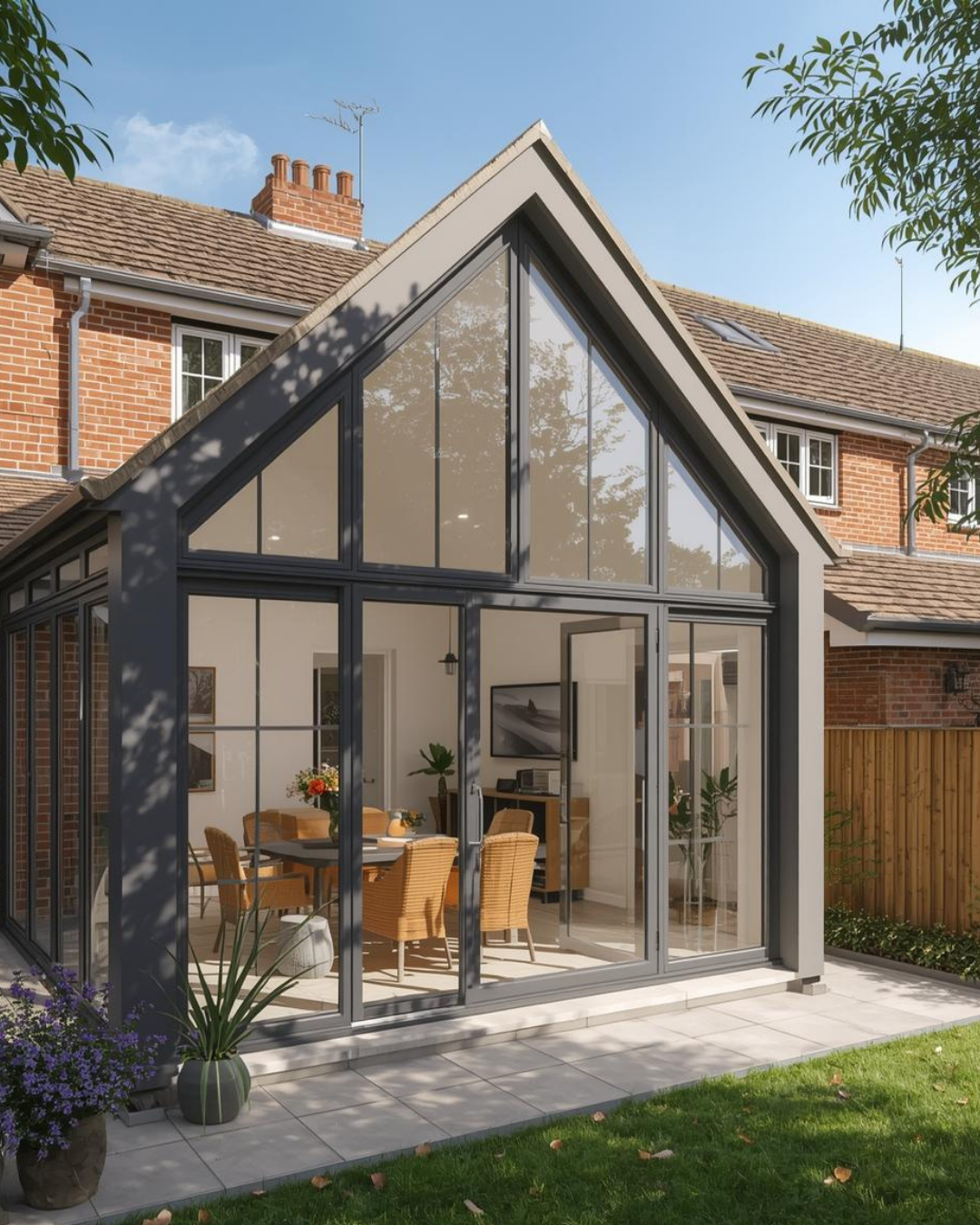
Roof Repair Costs: Slipped Tiles, Leaks, Flat Roofs and Chimneys
Most small roof repairs in the UK, such as replacing a few slipped tiles or fixing a minor leak, typically cost around £150 to £500, while larger jobs like ridge rebedding, chimney work or flat roof repairs usually run from a few hundred pounds to £2,500 or more. The biggest variable is often access: if scaffolding is needed, it can add roughly £600 to £1,500 or more to the bill.
A roof problem rarely gets cheaper by waiting. A single slipped tile can let water into the loft, soak insulation and eventually damage ceilings and timbers. This guide explains what common roof repairs cost, why access makes such a difference, when replacing is better value than repairing, and how insurance fits in.
Typical roof repair costs
The figures below are typical UK ranges and include labour and materials unless stated. Every roof is different, and prices vary by region, roof height, material and how easy it is to reach the damage. In Reading and much of the South East, expect prices towards the middle or upper end of these ranges.
Job
Typical UK range
Notes
Replace 1–5 slipped or broken tiles
£150–£500
Lower end if reachable from a ladder or roof ladder; slate can cost more than concrete tiles
Find and fix a small leak
£150–£500
Complex or hard-to-trace leaks can reach £1,500 or more
Rebed or repoint ridge tiles
£280–£700
Depends on the length of ridge; dry ridge systems may cost more
Lead flashing repair
£250–£1,000
Around chimneys, walls, dormers and roof windows
Roof valley repair
£350–£1,200
Includes relaying tiles either side of the valley
Chimney repointing or flashing repair
£300–£1,500+
Usually needs scaffolding; rebuilding a stack costs more
Flat roof patch repair
£300–£900
Small areas of felt, rubber or fibreglass
Larger flat roof repair
£800–£2,500+
Especially if the deck underneath is wet or rotten
Scaffolding
£600–£1,500+
Depends on height, access and hire period
Roofer day rate
£250–£400
Varies by region and team size
These are guide prices, not quotes. The only reliable way to know what your repair will cost is to get roofers to inspect it.
Why scaffolding changes the price
On many roof jobs, access costs more than the repair itself. Replacing a few tiles might only need an hour or two of work and a handful of materials, but if the roofer cannot reach them safely with a ladder and roof ladder, scaffolding is needed.
Scaffolding is usually needed for:
chimney work, especially on taller stacks;
repairs on two- or three-storey houses;
work across a large area of the roof;
anywhere the roofer cannot work safely from a ladder.
Scaffolding is typically hired for a minimum period, often a week or more, and extra weeks add cost. Where scaffolding goes on the pavement, the scaffolder may also need a licence from the council, which is usually built into their price.
Tip: if scaffolding is going up, ask the roofer to check the whole roof, chimney, gutters and fascias while they have access. Doing several small jobs at once is usually far cheaper than paying for scaffolding twice.
Common roof repairs explained
Slipped and broken tiles
Tiles slip when the nails holding them corrode, or when frost or wind lifts them. A roofer will usually refit the tile with a clip or hook, or replace it with a matching one. Finding a match can be harder on older roofs, particularly with handmade clay tiles or reclaimed slate, and that can add to the cost.
Leaks
A leak is a symptom, not a diagnosis. Water often travels along timbers before dripping, so the stain on your ceiling may be some distance from the actual hole. Common causes include slipped tiles, cracked mortar, failed flashing, blocked valleys and damaged underlay. The cost to fix a roof leak depends mostly on how long it takes to trace. Simple leaks are often fixed in a single visit; harder ones can need investigation over more than one visit.
Ridge tiles and mortar
The ridge tiles along the top of the roof are traditionally bedded in mortar, which cracks over time. Loose ridge tiles can fall and cause damage or injury, so this is worth fixing promptly. Some roofers recommend a mechanically fixed dry ridge system instead of mortar, which costs more up front but needs less maintenance.
Flashing and valleys
Flashing seals the joints where the roof meets chimneys, walls and windows. Lead flashing can crack or lift, and old mortar fillets can fail. Valleys, where two roof slopes meet, carry a lot of water and can leak if they crack or become blocked with debris.
Flat roofs
Flat roofs on extensions, dormers and garages are usually covered in felt, rubber (EPDM) or fibreglass (GRP). Small splits and blisters can often be patched. If water has got into the deck underneath and it has become soft or rotten, the repair is bigger, and replacing the whole covering may be better value, especially on an older felt roof.
Chimneys
Chimneys take the full force of the weather. Common problems include crumbling mortar, failed flashing, cracked cement flaunching around the pots, and damp coming through the chimney breast. Most chimney work needs scaffolding, which is why even modest repairs can cost more than you expect. If a chimney is no longer used, ask whether capping it is worthwhile.
Repair or replace?
Most roofs can be repaired many times before they need replacing. But there comes a point where repeated repairs are poor value. Replacement may be worth considering if:
you are repairing leaks or slipped tiles every year;
many tiles or slates are cracked, flaking or porous;
the roof sags or the timbers show signs of rot;
the underlay has perished (visible from the loft as torn or missing sheeting);
a flat roof has multiple repairs and is past its expected lifespan.
A full re-roof is a much bigger investment, often running into many thousands of pounds for a typical house, so get a proper survey and several quotes. Replacing a large part of a roof can also bring Building Regulations into play, for example around insulation, so ask your roofer how they will handle sign-off.
Safety note: roof work means working at height and, where timbers are damaged, may involve structural repairs. Please do not climb onto your roof yourself. Use an experienced, insured roofer, and get a structural engineer involved if the roof structure itself looks damaged.
Roof repairs and insurance claims
Home buildings insurance often covers sudden damage caused by a storm, fallen tree or other one-off event. It usually does not cover gradual wear and tear, poor maintenance or damage that built up over time. Insurers usually have their own definition of a storm, often based on wind speed and other weather conditions, so check your policy wording.
If you think you have a valid claim:
Make the roof safe and limit the damage. Emergency repairs such as temporary covers are often allowed, but keep receipts.
Take photos of the damage inside and out, from the ground only.
Contact your insurer early and ask whether they want to send an assessor or accept your own quotes.
Get a written report from your roofer describing the cause of the damage.
A roofer’s opinion on the cause, storm damage or wear and tear, can make a difference to the outcome, so ask them to be clear and factual.
Getting ready for winter storms
Autumn is the best time to get your roof checked, before winter wind and rain find the weak spots. A few simple steps help:
Look at your roof from the ground or an upstairs window, using binoculars if you have them. Check for slipped tiles, gaps along the ridge and leaning chimney pots.
Check the loft on a rainy day for damp patches, drips or daylight showing through.
Clear gutters and downpipes, or have them cleared. Blocked gutters overflow and can push water back under the roof edge.
Cut back overhanging branches that could damage the roof in high winds.
Book small repairs now, when roofers are less stretched than after a big storm.
If the worst happens during a storm, our guide to what to do about a leaking roof in a storm covers the emergency steps.
Getting quotes
When you contact roofers, give them as much detail as you can:
what the problem is and where it is, with photos taken from the ground;
the roof type, such as pitched tiles, slate or flat, and roughly how high the house is;
any signs inside, such as ceiling stains or damp in the loft;
whether you think it might be an insurance claim.
Useful questions to ask each roofer:
Will you need scaffolding, and is it included in the price?
What do you think is causing the problem, and how sure are you?
Is the repair guaranteed, and for how long?
Will you remove all waste and old materials?
Are you insured for working at height?
Getting three quotes helps you check the diagnosis as well as the price. If two roofers agree on the cause and a third suggests a much bigger job, ask them to explain why. Be cautious of anyone who knocks on the door saying they have spotted a problem on your roof and offers to fix it today. If you are nearby, you can compare roofers in Reading and ask for quotes in one place.
FAQs
How much does a roof repair cost?
Small repairs such as a few slipped tiles or a minor leak usually cost around £150 to £500. Larger jobs like ridge, chimney or flat roof repairs range from a few hundred pounds to £2,500 or more, especially if scaffolding is needed.
What is the cost to fix a roof leak?
A simple leak is often around £150 to £500 to trace and fix. Leaks that are hard to find, or that have damaged timbers or the flat roof deck, can cost £1,500 or more.
How much does it cost to replace roof tiles?
Replacing between one and five slipped or broken tiles typically costs around £150 to £500, depending on access and the tile type. Scaffolding, if needed, is extra.
What is the typical flat roof repair cost?
Small patch repairs are often around £300 to £900. If the deck underneath is wet or rotten, the repair can cost £800 to £2,500 or more, and replacing the covering may be better value.
Does home insurance cover roof repairs?
Buildings insurance often covers sudden storm damage but usually not wear and tear or gradual deterioration. Check your policy wording and contact your insurer early.
Get up to 3 quotes from vetted local roofers. Tell us about the job and your postcode, and we’ll match you with trades whose reviews come from real, invoiced jobs.
Related reading: working at height regulations · roofer day rates · public liability insurance for tradespeople · building regulations for trades
Comments
We'd love to hear your thoughts on this article.