Kitchen Fitting Cost: Labour, Units, Extras
What it costs to fit a kitchen in the UK: labour-only and supply-and-fit prices, electrics, plumbing and plastering extras, and how long a refit takes.
Trade Pilot
Author
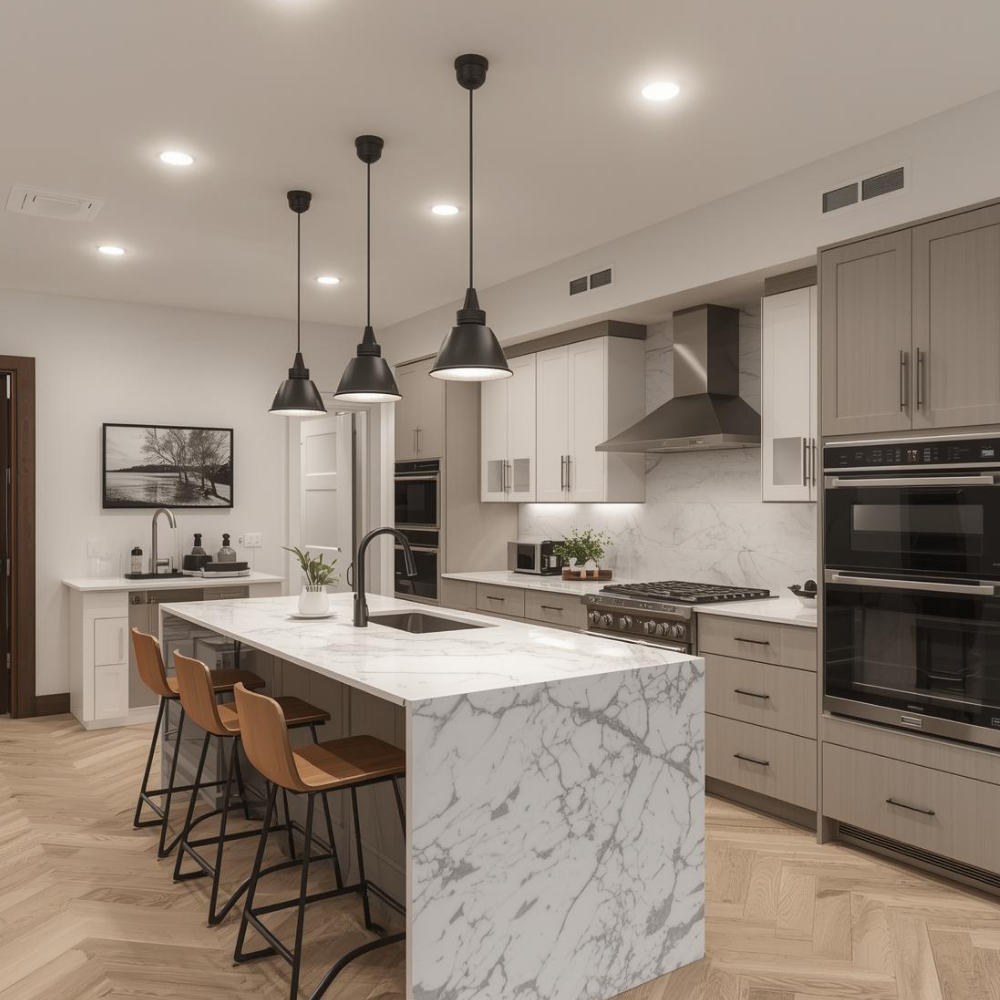
Labour to fit an average kitchen in the UK typically costs around £1,500 to £6,500, depending on the number of units, the worktops and how much else the fitter does. A complete new kitchen, supplied and fitted, usually lands somewhere between £6,000 and £20,000, and high-end or larger kitchens can go well beyond that. The extras (electrics, plumbing, plastering, tiling, flooring and waste removal) are where budgets most often slip.
Labour only or supply and fit?
There are two main ways to buy a new kitchen.
Labour only. You buy the kitchen yourself, from a retailer, trade supplier or online, and hire a kitchen fitter to install it. You control the choice of units and often save on the kitchen itself, but you are responsible for ordering the right items, checking deliveries and coordinating other trades unless the fitter agrees to manage them.
Supply and fit. A kitchen company or retailer designs, supplies and installs the kitchen as one package. It costs more, but you have one point of contact, and if something is wrong with a unit or a measurement it is their problem to fix. Check whether “fit” includes the electrics, plumbing, tiling and making good, or just the units and worktops.
Typical kitchen fitting costs
These are typical UK ranges. Prices vary with the size and layout of the room, the quality of the units, the condition of the walls and floor, and where you live. South East prices, including Reading, tend to sit towards the middle or upper end.
Job
Typical UK range
Notes
Kitchen fitter day rate
£180 to £350 per day
Higher for experienced fitters and in the South East
Labour to fit a small kitchen (around 8 units)
£1,500 to £2,500
Units, worktops, doors, handles, plinths
Labour to fit a medium kitchen (around 12 units)
£2,500 to £4,000
More if the layout changes
Labour to fit a large kitchen (16 units or more)
£4,000 to £6,500
Islands and tall units add time
Fitting cost per unit
Around £80 to £150 per unit
Units only, so it will not add up to the labour totals above
Worktop fitting
£200 to £1,000 or more
Laminate is cheapest; stone is templated and fitted by specialists
Budget new kitchen, supplied and fitted
£6,000 to £10,000
Flat-pack or entry-level rigid units, laminate tops
Mid-range new kitchen, supplied and fitted
£10,000 to £20,000
Rigid units, better worktops, some integrated appliances
High-end new kitchen, supplied and fitted
£20,000 and up
Bespoke cabinetry, stone worktops, premium appliances
The fitting labour and the kitchen itself are only part of the total. The next section covers the rest.
The extras people forget
A fitter’s quote often covers units, worktops and appliances going in, and not much else. Budget separately for the following, and check what each quote includes.
Extra
Typical UK range
Notes
Removing and disposing of the old kitchen
£200 to £600
Some fitters include removal; skip hire is often extra
Skip hire
£200 to £400
Depends on size, area and whether it needs a road permit
Electrical work
£500 to £1,500
New sockets, cooker circuit, lighting; more for a rewire of the room
Plumbing
£300 to £1,000
Moving the sink, adding a dishwasher or washing machine feed
Gas hob connection or removal
£100 to £300
Must be a Gas Safe registered engineer
Plastering
£400 to £1,200
Making good after old units and chases come out; more to re-skim the whole room
Wall tiling or splashback
£300 to £1,000
Tile choice and area make a big difference
Flooring
£500 to £2,000 or more
Material, room size and floor preparation
Decorating
£300 to £800
Ceiling and walls once everything else is done
Extractor ducting through an outside wall
£150 to £500
More if the route is awkward
It is sensible to hold back a contingency of around 10 to 15% of the total for surprises, such as uneven floors, old wiring or pipework that has to move once the old units are out.
Electrics
New kitchens often need extra sockets, a dedicated cooker or induction hob circuit, under-cabinet lighting and new ceiling lights. Adding a new circuit is notifiable building work in England under Part P of the building regulations, so use an electrician registered with a competent person scheme such as NICEIC or NAPIT, who can self-certify the work and give you a certificate. Please don’t do kitchen electrics yourself. Our electrician cost guide covers hourly rates and common jobs.
Gas
If you have or are moving a gas hob or cooker, only a Gas Safe registered engineer can disconnect, move or connect it. This is a legal requirement, not a nicety. Ask to see their Gas Safe ID card and check it on the Gas Safe Register.
Plumbing
Moving the sink to an island or across the room means new supply and waste runs, which can mean lifting floors. Keeping the sink, dishwasher and washing machine roughly where they are now is one of the easiest ways to save money.
In hard water areas, which include Reading at around 290 ppm, it is worth asking your plumber about a water softener or scale protection when the pipework is exposed, particularly if you are fitting a boiling water tap or a coffee machine with a water feed.
Plastering, tiling and flooring
When old units come off, the walls behind are often damaged or uneven. Plastering is usually done after first-fix electrics and plumbing and before the units go in. Decide early whether flooring goes in before the units (easier to replace later and looks neat) or after (uses less material). Your fitter will have a preference, and it affects the order of work.
What pushes the cost up or down
Layout changes. Moving the sink, cooker or doorways adds plumbing, electrics and making good.
Removing walls. Knocking through to a dining room means structural work, a structural engineer’s calculations and building control approval. Never remove a wall without professional advice.
Unit type. Flat-pack units take longer to assemble than rigid (pre-built) units, which can add labour days.
Worktops. Stone and quartz are templated after the units are fitted, adding a return visit and a wait of a week or two.
Integrated appliances. Fully integrated fridges and dishwashers take longer to fit than freestanding ones.
Condition of the room. Uneven walls and floors, old wiring and hidden damp all add time.
Location. London and the South East cost more.
How long does it take to fit a kitchen?
A straightforward like-for-like refit, where nothing moves, often takes around one to two weeks from strip-out to finish. A refit with new electrics, plumbing changes, plastering and a new floor typically takes two to four weeks. Knocking through walls or extending takes longer again.
Waiting times sit outside that. Ordering a kitchen can take several weeks, stone worktops are usually fitted a week or two after templating, and good fitters are often booked up in advance. Set up a temporary space with a kettle, microwave and fridge.
The usual order of trades
Knowing the sequence helps you check a quote and avoid gaps or clashes between trades.
Strip-out. The old kitchen is removed and disposed of.
First fix. The electrician runs new cables and back boxes, the plumber moves supply and waste pipes, and a Gas Safe engineer caps or reroutes gas if needed.
Plastering. Walls are made good or re-skimmed, then left to dry.
Flooring (if going in first). Some floors go down before the units.
Units fitted. Base and wall units, then worktop templating if you have stone or quartz.
Worktops. Laminate or wood tops are usually fitted by the fitter; stone arrives later.
Second fix. Sockets, switches and lights go on, the sink and taps are connected, and appliances are fitted and tested. Electrics are certified.
Tiling or splashback. After the worktops are in.
Decorating and finishing. Paint, sealant, plinths, end panels and handles.
On a supply-and-fit job, the company should coordinate this for you. On a labour-only job, agree who does what before work starts. If you are in the area, you can compare kitchen fitters in Reading who manage the whole sequence.
Getting quotes
A good brief gets you comparable quotes and fewer surprises.
Send the plan. Share the kitchen design or layout, the room measurements, and photos of the existing kitchen, including the walls, floor and boiler if it is in the kitchen.
Say what you are supplying. Make clear whether you are buying the units and appliances or want the fitter to supply them.
List the extras. Ask each fitter to price electrics, plumbing, gas, plastering, tiling, flooring, removal and decorating separately, or to confirm they are excluded.
Ask the right questions. Ask who does the electrics and gas and whether they are registered, how long the job will take, how they handle waste, what the payment stages are, and what guarantee they give on workmanship.
Get three quotes. Three itemised quotes for the same scope show you the realistic price and highlight anything missing. Our guide on how to compare trade quotes explains what to look for.
FAQs
How much does a new kitchen cost?
A new kitchen supplied and fitted typically costs around £6,000 to £10,000 at the budget end, £10,000 to £20,000 for a mid-range kitchen, and £20,000 or more for high-end or bespoke designs. Size, units, worktops, appliances and the amount of electrical, plumbing and building work all affect the price.
What is the typical kitchen installation cost for labour only?
Labour only to fit an average kitchen usually costs around £1,500 to £6,500, or more for large kitchens with islands and tall units. Fitters often charge a day rate or a price per unit, and many exclude electrics, plumbing, plastering and tiling.
What is the cost to fit a kitchen per unit?
Many fitters work on a rough guide of around £80 to £150 per unit for installing the units themselves, with worktops, doors, appliances and extras priced separately, so it will not add up to the labour totals above. Ask for a full itemised quote rather than relying on a per-unit figure.
How long does it take to fit a kitchen?
A like-for-like refit usually takes one to two weeks. If the layout changes or you need new electrics, plastering and flooring, allow two to four weeks, plus any wait for stone worktops.
Do I need building regulations approval for a new kitchen?
A like-for-like kitchen replacement doesn’t usually need building regulations approval, but new electrical circuits must be notified, which a registered electrician can do for you. Removing a wall, changing drainage or adding an extension will need building regulations approval.
Get up to 3 quotes from vetted local kitchen fitters. Tell us about the job and your postcode, and we’ll match you with trades whose reviews come from real, invoiced jobs.
Comments
We'd love to hear your thoughts on this article.