How to Compare Builder and Trade Quotes
A like-for-like checklist for comparing builder and trade quotes: provisional sums, VAT, payment stages, exclusions and why the cheapest often isn't.
Trade Pilot
Author
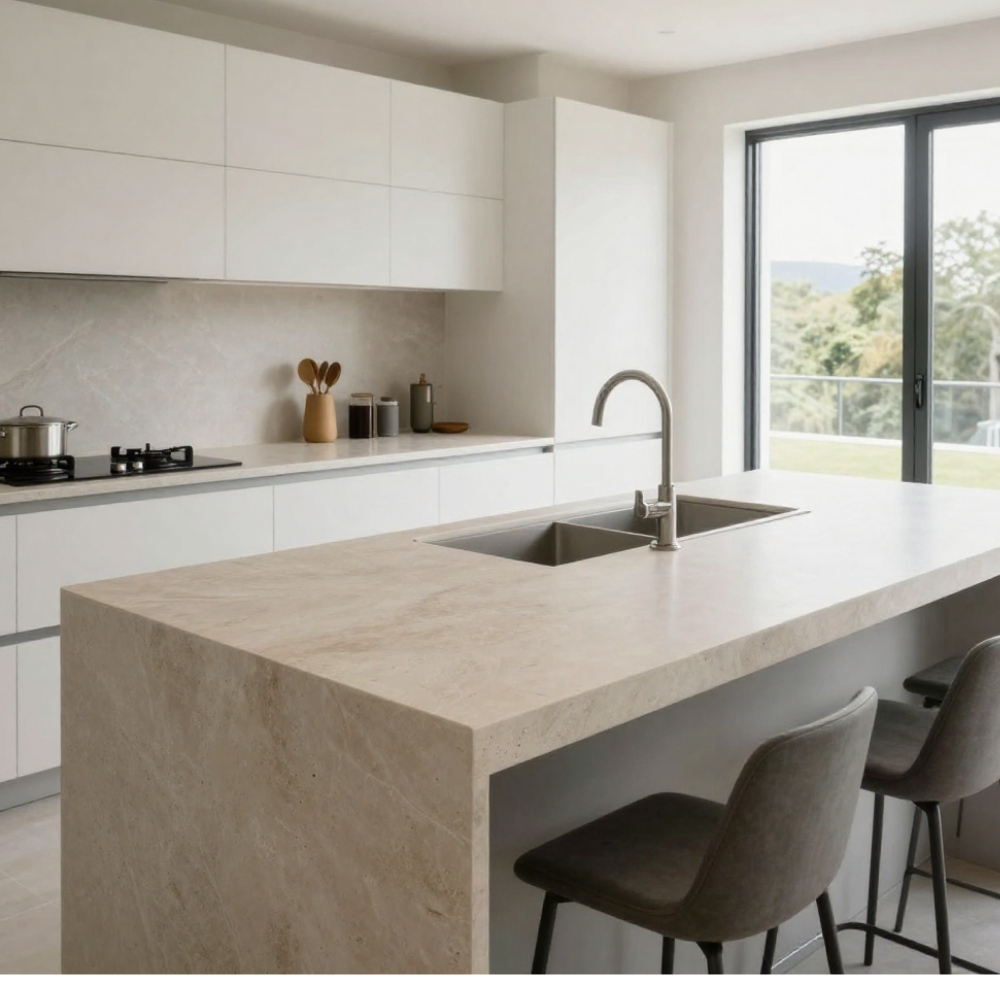
How to Compare Trade Quotes (and Spot the One That Will Cost You More)
To compare trade quotes properly, make sure every trade is pricing the same job, then check what each quote includes, what it leaves out, how VAT is handled and when you are expected to pay. The lowest headline figure is often not the cheapest job once provisional sums, exclusions and extras are added, so compare the likely final cost, not just the total at the bottom.
Three quotes for the same job can look wildly different. This guide shows you how to line them up fairly and spot the warning signs.
How many quotes should I get?
For most jobs, three quotes is the sweet spot. One quote gives you nothing to compare against. Two can leave you unsure which is the outlier. Three usually shows you the going rate, and makes it obvious if one is far too high or suspiciously low.
For small, simple jobs, one or two prices may be enough. For large projects, some homeowners approach four or five builders, knowing not all will reply.
Step one: make sure everyone is quoting for the same job
Most confusing quote comparisons start with a vague brief. If you tell one builder “a new bathroom” and another “the same as my neighbour’s”, you will get prices for two different jobs.
Before you ask for quotes:
Write a short scope of works. List what you want done, room by room, and what you want to keep.
Use drawings or a specification if you have them. For extensions and structural work, architect’s drawings and structural calculations let builders price the same thing.
Say who is supplying what. Are you buying the tiles, kitchen units or sanitaryware, or is the trade?
Give every trade the same information. If you add something after one visit, tell the others too.
The like-for-like checklist
Once the quotes arrive, put them side by side and check each of these points. A simple table or spreadsheet works well.
What to check
What a good quote shows
Warning sign
Scope
A written list of the work, ideally broken down by stage or room
A single line such as “build extension as discussed”
Materials
Named brands, grades or allowances
“Materials as required” with no detail
Provisional sums
Clearly marked, with a sensible allowance
Large or unexplained provisional sums
VAT
Stated clearly as included or excluded
No mention of VAT at all
Payment stages
Staged payments linked to completed work
A large upfront payment before anything starts
Exclusions
A clear list of what is not included
No exclusions listed
Timescale
Start date and expected duration
No dates, or “we’ll fit you in”
Waste and clearance
Skips and removal of waste included or priced
Silent on waste
Certificates and sign-off
Mentions Building Regulations, Gas Safe or electrical certificates where needed
No reference to any sign-off
Validity
How long the price stands
No expiry date
Provisional sums and prime cost sums
A provisional sum is an allowance for work that cannot be priced accurately yet, such as foundations that depend on what is found when digging, or repairs to a hidden joist. A prime cost (PC) sum is an allowance for items you have not chosen yet, such as a kitchen or tiles.
They are normal and useful, but they are also the easiest way for a quote to look cheaper than it is. Watch for:
Low allowances. A £1,000 allowance for a kitchen you expect to cost £8,000 makes the quote look lower, but you will pay the difference.
Lots of provisional sums. If a large chunk of the job is provisional, the final cost is very uncertain.
Different allowances between quotes. If one builder allows £2,000 for sanitaryware and another £600, adjust the figures so you compare fairly.
Ask each trade how they arrived at each allowance, and how any difference will be charged.
VAT: included, excluded or not charged
VAT at the standard rate of 20% can make a large difference on a big job. Check three things:
Is the price shown including or excluding VAT? Some trades quote “plus VAT” in small print.
Is the trade VAT registered? Smaller businesses below the VAT registration threshold (currently £90,000 of taxable turnover a year) do not have to charge it. That can make them cheaper, which is perfectly legitimate.
If VAT is charged, is a VAT number shown? A VAT-registered business should give you a proper VAT invoice.
Be wary of anyone who offers a discount for paying in cash “without the VAT”. It leaves you with no proper paperwork, and makes it much harder to resolve problems later.
Payment stages
How and when you pay tells you a lot about a quote. For most jobs:
Small jobs are often paid on completion.
Larger jobs are usually paid in stages as work is completed, for example after foundations, after the shell is built, and on completion.
Deposits are sometimes reasonable, particularly where the trade needs to order made-to-measure items such as windows or kitchens, but they should be proportionate.
A request for a large payment before any work starts, or for payment in full up front, is a warning sign. It is also worth agreeing a small retention held back until any snagging is finished. Our guide on whether you should pay a builder a deposit covers safe payment terms in more detail.
Exclusions: what’s not in the price
Exclusions are where many “cheap” quotes hide their true cost. Common exclusions include:
plastering, making good and decorating;
skip hire and waste removal;
scaffolding;
electrical and plumbing work on building jobs;
Building Regulations fees, structural engineer or party wall surveyor fees;
flooring, tiling or kitchen fitting;
moving or protecting furniture.
If one quote includes decorating and scaffolding and another excludes them, the second quote is not really cheaper. Add a sensible amount for each missing item so you compare the likely final cost.
Why the cheapest quote often isn’t
A low price is not automatically a bad sign; a smaller firm with lower overheads may genuinely be cheaper. But a quote that is far below the others usually means one of these:
Something has been left out, deliberately or by accident.
Allowances are unrealistically low, so extras will follow.
The trade has misunderstood the job, or has not visited properly.
Corners will be cut on materials, preparation or certification.
The quote that will cost you more is often the one that looks cheapest on day one. Compare the likely final cost, and ask the lowest bidder to talk you through what their price covers.
Beyond the price: checking the trade
Before accepting any quote, check reviews from real customers, any registrations the job needs (such as Gas Safe for gas work), public liability insurance and written terms. Our builder’s contract checklist explains what a contract for a larger job should cover.
Getting quotes
Getting local builder quotes in the UK is easier with a clear brief. Include:
a description of the job and photos of the area;
any drawings, specifications or reports you have;
which materials you will supply and which you want priced;
when you would like the work done;
your budget range, if you are comfortable sharing it.
Then ask each trade the same questions: What exactly is included? What is excluded? Are there any provisional sums? Is VAT included? What are the payment stages? How long is the price valid?
Aim for three quotes, compare them using the checklist above, and choose the trade who offers the best overall value, not just the lowest number. Trade quotes online can save a lot of time chasing people, as long as every trade still visits before giving a firm price. If you are in the area, you can compare builders in Reading and request quotes in one place.
FAQs
How do I compare builder quotes?
Make sure each builder has priced the same scope of work, then compare them line by line: materials, provisional sums, VAT, payment stages, exclusions and timescales. Add an allowance for anything one quote leaves out, so you compare the likely final cost.
How many quotes should I get?
Three is a good number for most jobs. It gives you a clear sense of the going rate and helps you spot a quote that is unusually high or low.
Are trade quotes online reliable?
They can be a useful starting point, but for anything beyond a simple job the trade should visit before giving a firm quote. A price given without seeing the job is really an estimate.
How do I get local builder quotes in the UK?
Prepare a clear brief with photos and any drawings, then contact several local builders or use a quote service that matches you with vetted local trades. Give every builder the same information so the quotes are comparable.
What is a provisional sum in a quote?
It is an allowance for work that cannot be priced accurately until the job starts, such as unknown ground conditions or hidden repairs. The final cost may be higher or lower, so ask how the allowance was worked out.
Get up to 3 quotes from vetted local builders. Tell us about the job and your postcode, and we’ll match you with trades whose reviews come from real, invoiced jobs.
Related reading: how to choose a plumber · house extension cost · kitchen fitting cost · do I need planning permission?
Comments
We'd love to hear your thoughts on this article.